How to say “welcome” in Spanish
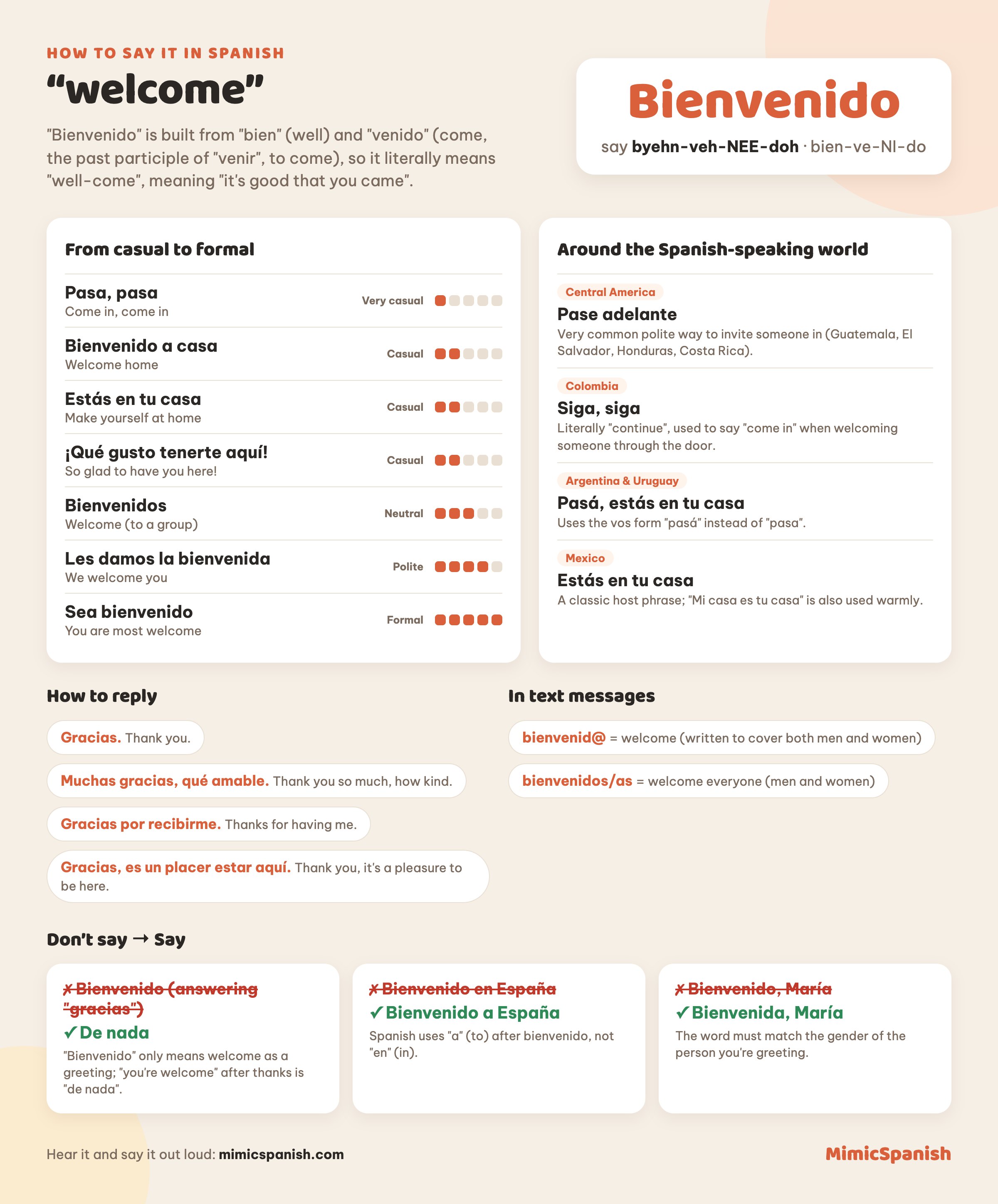
"Welcome" in Spanish is "bienvenido". It changes to match the person you're greeting: "bienvenido" for a man, "bienvenida" for a woman, "bienvenidos" for a group and "bienvenidas" for a group of women. To welcome someone to a place, add "a": "Bienvenido a México".
How to pronounce “Bienvenido”
- Say "bien" as one quick syllable, like "byen", not "bee-en".
- The Spanish v sounds like a soft b, with the lips lightly touching, so it sounds closer to "byen-beh-NEE-doh" than to an English v.
- The d between vowels is soft, almost like the "th" in "this", so don't make it a hard English d.
What it literally means
"Bienvenido" is built from "bien" (well) and "venido" (come, the past participle of "venir", to come), so it literally means "well-come", meaning "it's good that you came". Other Romance languages build it the same way, such as Italian "benvenuto" and French "bienvenue".
Other ways to say it, from casual to formal
- Pasa, pasaCome in, come in · warmly inviting a friend into your homeVery casual
- Bienvenido a casaWelcome home · when someone returns home after a tripCasual
- Estás en tu casaMake yourself at home · hosting a guest so they feel comfortableCasual
- ¡Qué gusto tenerte aquí!So glad to have you here! · friendly welcome at a visit or gatheringCasual
- BienvenidaWelcome (to a woman) · greeting one woman or girlNeutral
- BienvenidosWelcome (to a group) · greeting a group, on signs and at eventsNeutral
- Les damos la bienvenidaWe welcome you · announcements, conferences, tours, flightsPolite
- Sea bienvenidoYou are most welcome · formal speeches, hosting important guestsFormal
By country
- Pase adelanteCentral America · Very common polite way to invite someone in (Guatemala, El Salvador, Honduras, Costa Rica).
- Siga, sigaColombia · Literally "continue", used to say "come in" when welcoming someone through the door.
- Pasá, estás en tu casaArgentina & Uruguay · Uses the vos form "pasá" instead of "pasa".
- Estás en tu casaMexico · A classic host phrase; "Mi casa es tu casa" is also used warmly.
In text messages
Example sentences
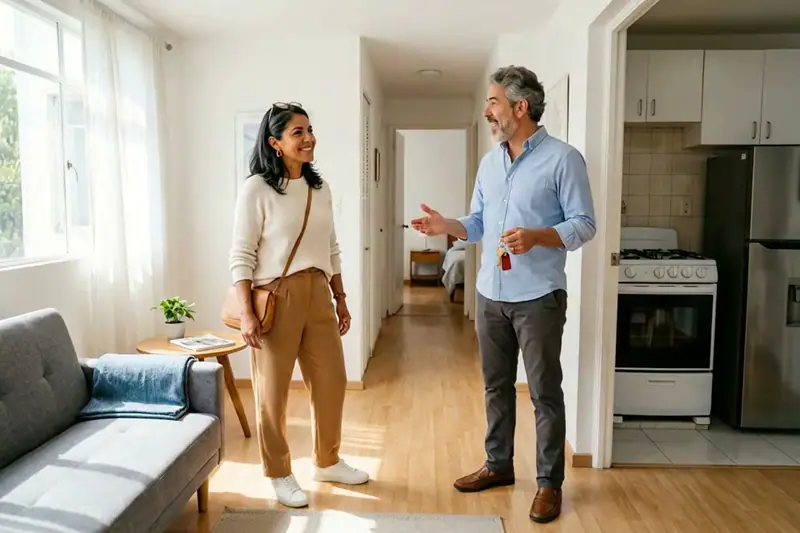
- ¡Bienvenido a mi casa!Welcome to my home!
- Bienvenida, Laura. Siéntate, por favor.Welcome, Laura. Have a seat, please.
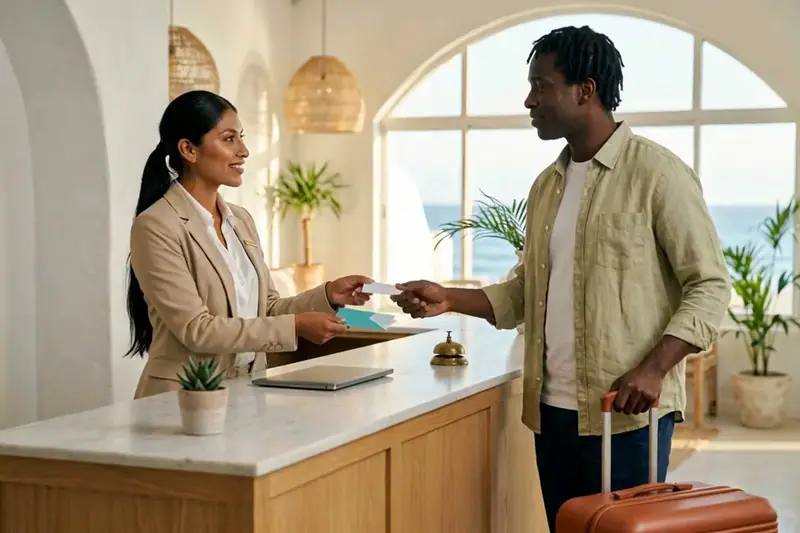
- Bienvenidos al hotel. ¿Tienen reservación?Welcome to the hotel. Do you have a reservation?
- ¡Bienvenidos a la clase de español!Welcome to Spanish class!
- Le damos la bienvenida a nuestro nuevo compañero de trabajo.We welcome our new coworker.
- Siempre eres bienvenido aquí, vuelve cuando quieras.You're always welcome here; come back whenever you want.
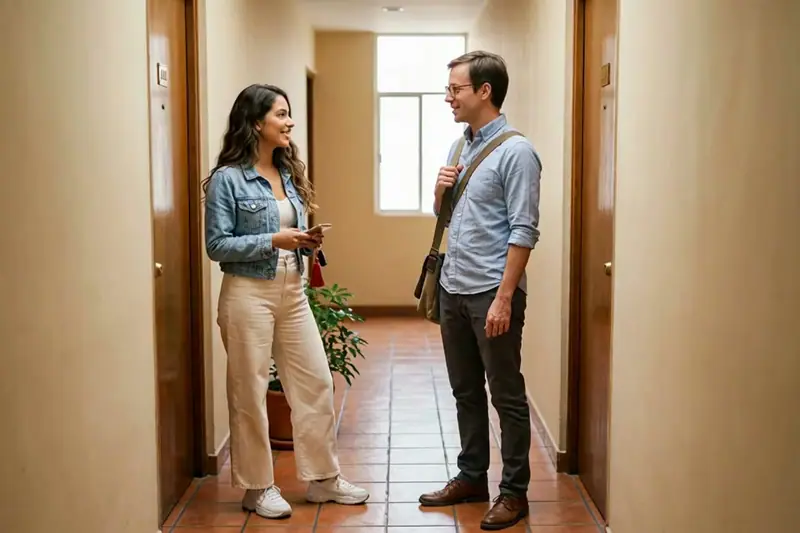
Mini dialogue: Arriving at a friend's house
How to reply
- Gracias.Thank you.
- Muchas gracias, qué amable.Thank you so much, how kind.
- Gracias por recibirme.Thanks for having me.
- Gracias, es un placer estar aquí.Thank you, it's a pleasure to be here.
Grammar: Bienvenido agrees in gender and number
"Bienvenido" works like an adjective, so its ending changes to match the person or people you're welcoming: -o (man), -a (woman), -os (group or mixed group) and -as (group of women). To say "welcome to" a place, use "a", never "en". Remember that a + el becomes "al".
- Bienvenidas, chicas.Welcome, girls.
- Bienvenidos al museo.Welcome to the museum.
Common mistakes
Culture tip
Latin Americans often welcome guests with real warmth, usually with a hug or a cheek kiss, plus phrases like "pasa, pasa" and "estás en tu casa". Hosts often offer something to eat or drink right away, and politely refusing several times can come across as cold. On signs, websites and at events, the plural "Bienvenidos" is the default, even when it addresses one person.